Why Halal Thai Cuisine Is More Than a Menu Choice
Bringing halal standards and authentic Thai flavor together can create a distinctive dining experience—and a restaurant concept built on care, consistency, and trust.
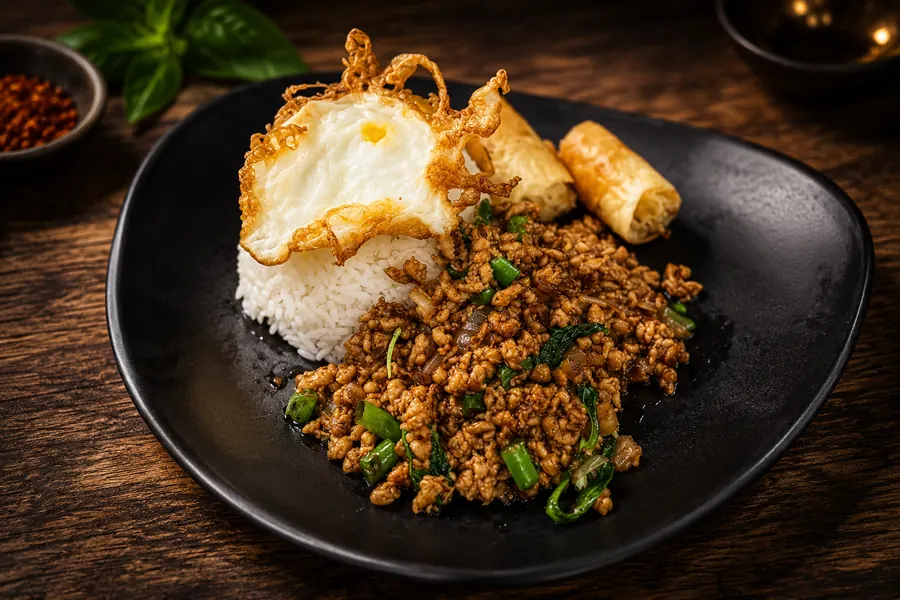
Thai cooking is known for contrast: bright lime against deep savory notes, fresh herbs beside slow-built curry, sweetness balanced by heat. Halal hospitality begins with a different kind of balance—the responsibility to protect a guest’s trust while still delivering a complete culinary experience.
When those two ideas meet thoughtfully, halal Thai cuisine becomes more than a collection of adapted dishes. It becomes a clear restaurant point of view: authentic flavor, intentional sourcing, disciplined preparation, and a welcome that includes diners who are too often asked to compromise.
Two traditions meet in the details
Thai cuisine draws its character from layers of ingredients and technique. Staples such as fish sauce, lime, tamarind, coconut milk, chiles, and curry paste can each shape aroma, acidity, texture, heat, or depth.
That complexity is exactly why a credible halal approach cannot stop at choosing a halal protein. Sauces, marinades, curry pastes, flavorings, cooking fats, packaged ingredients, and preparation practices all deserve attention. The guest sees the finished plate; trust is built through everything that happened before it reached the table.
What halal changes in a Thai kitchen
Halal is an Arabic term commonly translated as “permissible.” In food service, however, the practical work extends beyond a definition. It requires clarity about ingredients, suppliers, handling, preparation, and communication.
1. Sourcing becomes a system
A restaurant needs a reliable way to understand what is in every core ingredient—not only meat and poultry, but also the sauces, pastes, stocks, seasonings, and prepared products that build flavor. Good sourcing discipline makes the standard teachable and repeatable.
2. Preparation protects the promise
Storage, utensils, work surfaces, cooking equipment, and team procedures all influence whether the restaurant can stand behind its message. A strong operation translates values into routines that can be followed during a busy service, not only explained during training.
3. Communication stays precise
Guests should not have to decode vague language. Menus, team members, websites, and ordering channels should describe the restaurant’s halal approach consistently and avoid claims the operation cannot verify. Clear answers are part of hospitality.
Halal standards and certification can involve detailed ingredient and process requirements. Restaurants and consumers should rely on qualified halal authorities for formal guidance. The Islamic Food and Nutrition Council of America provides an overview of halal food fundamentals and certification considerations.
Why the concept matters to guests
For a diner who follows halal dietary requirements, a restaurant with a clear and consistent approach removes friction from the meal. Instead of narrowing the experience to the safest available option, the guest can explore noodles, curries, rice dishes, herbs, aromatics, and regional flavors with greater confidence.
That confidence matters beyond a single transaction. Restaurants are social places. Families, friends, coworkers, and communities often choose a table based on whether everyone can participate comfortably. A halal Thai concept can serve as common ground: culturally specific enough to be memorable and inclusive enough to bring different groups together.
Why the concept matters to a franchise system
A franchise is not simply a recognizable sign above multiple doors. It is a promise that the guest experience can be delivered with consistency. A halal Thai restaurant concept adds an important layer to that responsibility because brand trust depends on both culinary execution and operating discipline.
For prospective owners, the useful question is not whether “halal” is a trend. The better questions are operational:
- Can ingredient standards be documented and taught clearly?
- Can approved products and suppliers support consistent recipes?
- Can kitchen procedures protect the promise during real service conditions?
- Can the menu remain recognizably Thai while meeting the brand’s halal standard?
- Can every location communicate the same message without overclaiming?
Those questions point toward the kind of systems a responsible restaurant brand must build anyway: recipe controls, vendor discipline, training, quality assurance, and clear guest communication. The niche is meaningful, but the operating habits behind it are universal.
The strongest concepts do not force a compromise
Halal Thai cuisine works best when neither side of the idea feels secondary. The food should still be vibrant, aromatic, balanced, and generous. The halal promise should still be specific, respected, and supported by the operation. Guests should experience one coherent brand—not an authentic restaurant with an afterthought attached.
That is the larger idea behind Maya Thai Cuisine: a table where flavor and trust reinforce each other. For guests, it means more freedom to explore. For operators, it means building with standards that deserve to travel.
Use our flavor-first guide to decide what to order at a Thai restaurant, compare popular noodles and soups, and choose a comfortable spice level.
Considering the business behind the concept? Read our practical guide to what to look for in a halal restaurant franchise, including certification, costs, economics, training, and due diligence.
Sources and further reading
IFANCA: Halal Explained—From Food Fundamentals to Certification